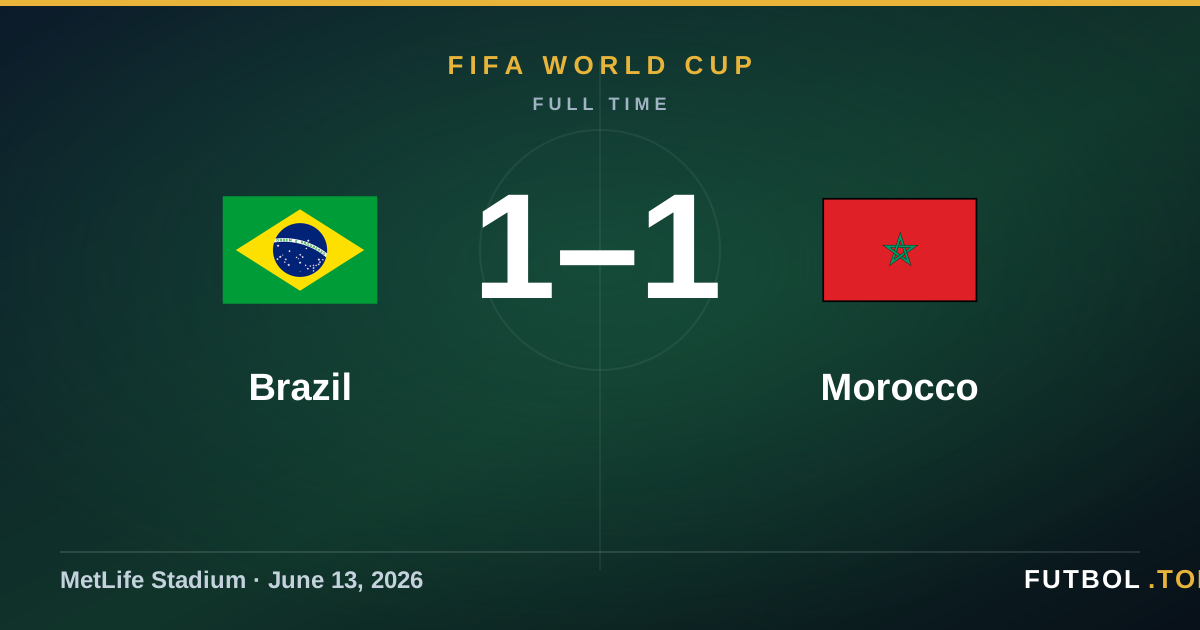
A crowd of 80,663 packed MetLife Stadium on June 13 to watch Brazil and Morocco trade blows and ultimately share the spoils in a 1-1 draw at the 2026 FIFA World Cup. Morocco struck first and looked comfortable doing it, but Brazil steadied themselves and leveled before halftime — leaving both sides with a result that will feel like a missed opportunity by full time.
How It Unfolded
Morocco drew first blood in the 21st minute when Ismael Saibari converted after a setup from Brahim Díaz. It was a composed, well-worked moment that put Morocco firmly in control and had the MetLife crowd buzzing with the kind of tension you only get at a World Cup.
Brazil didn't panic. Eleven minutes later, in the 32nd minute, Vinícius Júnior found the equalizer off an assist from Bruno Guimarães, restoring parity and shifting the momentum back toward the home side. The goal settled Brazil down and set the stage for what looked like it could be a wide-open second half.
Before the break, though, Brazil's discipline began to crack. Casemiro picked up a yellow card in the 37th minute, and Roger Ibañez followed him into the book just six minutes later in the 43rd. Two cautions in the span of six first-half minutes is a worrying sign for any side, and Brazil will need to be sharper if they want to go deep in this tournament. Morocco, to their credit, kept their composure and finished the half without a card to their name.
The second half produced no further goals, and both teams walked away with one point apiece.
By the Numbers
- Possession: Brazil 51.4%, Morocco 48.6% — as even as it gets at this level
- Shots: Morocco led 14 to Brazil's 12, despite spending less time with the ball
- Shots on Target: Brazil held a narrow edge, 5 to 3
- Saves: Morocco's goalkeeper made 4 saves; Brazil's made 2
- Fouls: Brazil committed 16 to Morocco's 14 — a physical contest throughout
- Pass Accuracy: Both sides completed 90% of their passes (514 for Brazil, 486 for Morocco)
- Yellow Cards: Brazil 2 (Casemiro, Roger Ibañez); Morocco 0
The Takeaway
On paper, a draw looks fair — the stats are nearly mirror images of each other, and neither side truly dominated. But Brazil will feel they left something on the table: they had the better shots-on-target numbers and home support behind them, yet couldn't find a winner. Morocco, meanwhile, looked dangerous on the counter and showed the kind of defensive organization that made them a sensation at the last World Cup. The question now is whether Brazil's yellow-card accumulation becomes a problem down the line, and whether Morocco's ability to outshoot a Brazil side — 14 attempts to 12 — is a sign of real attacking intent or a product of Brazil's high foul count disrupting their own rhythm. Either way, both teams head into their next fixtures knowing a win is essential.
Follow every World Cup 2026 result, live group standings, and the knockout bracket on our World Cup 2026 hub, and get the full breakdown in our complete guide.